May 22, 2026
The integrity of a building—whether a sprawling commercial complex, a multi-story industrial facility, or a cozy suburban home—rests entirely on the health of its foundation. Over time, environmental shifts, complex soil composition changes, and extreme moisture fluctuations can compromise this critical structural element. Modern techniques for foundation leveling and repair now prioritize precision, longevity, and minimal site impact. By leveraging advanced materials like high-density structural polymers and high-tensile steel, engineers can now rectify settlement issues that were once considered terminal or too expensive to fix. Understanding these contemporary methods is essential for property owners looking to protect their long-term investments against the natural, inevitable movement of the earth.
1. The Science of Deep Hydraulic Piering Systems
One of the most significant advancements in the field involves the use of sophisticated hydraulic piering systems. When a structure begins to sink due to unstable surface soil or "active" zones that expand and contract with the weather, the most effective solution is to transfer the building's weight to a more competent load-bearing strata deep underground. This is achieved through the installation of heavy-duty steel piers.
Alternatively, helical piers—which feature screw-like plates—are rotated into the ground using high-torque hydraulic machinery. These are particularly effective in areas with high water tables or sandy soils where traditional driving methods might fail to find the necessary friction. Once the piers are secured to the appropriate depth, hydraulic jacks are utilized to slowly and safely lift the foundation back to its original designed elevation.
2. High-Density Polyurethane Foam Injection
For minor settlement, or instances where concrete slabs have become uneven and hazardous, polyurethane foam injection (often referred to in the industry as "polyjacking") has emerged as a superior alternative to traditional mudjacking. This technique involves drilling incredibly small, penny-sized holes into the concrete and injecting a specialized, multi-part high-density structural polymer. As the liquid components mix beneath the slab, a chemical reaction occurs, causing the foam to expand rapidly with immense force.
This expansion exerts tremendous upward pressure, leveling the slab with surgical precision that manual methods simply cannot match. Unlike the heavy sand-and-cement slurry used in old-fashioned mudjacking, polyurethane foam is incredibly lightweight. Furthermore, the foam is entirely waterproof and does not erode, wash away, or react with the surrounding environment over time. According to Persistence Market Research, the settlement repair segment is projected to be the leading service type in 2026, representing 36% of the market share, and much of this growth is driven by the efficiency and rising popularity of these chemical injection methods.
3. Advanced Soil Stabilization via Chemical Grouting
In many geographical regions, the foundation itself is not the primary engineering problem; rather, the soil beneath it lacks the necessary load-bearing capacity to support the weight of the masonry. Modern foundation repair often incorporates chemical grouting to modify the soil's mechanical properties from the inside out. By injecting low-viscosity resins or micro-fine cements into loose, granular, or silty soils, technicians can "glue" the individual soil particles together, creating a solid, rock-like mass that resists compression.
This technique is particularly useful for preventing "settlement before it starts" or for stabilizing soil around utility lines, swimming pools, and deep excavations. By permeating the microscopic voids in the soil, these chemical agents eliminate the risk of future compaction and shifting caused by groundwater movement. This proactive approach ensures that the foundation remains supported by a consistent, unchanging base, drastically reducing the likelihood of cracks, stuck doors, or structural misalignment in the decades to follow.
4. Carbon Fiber Reinforcement for Wall Stabilization
Foundation issues are not always defined by vertical settlement; lateral pressure from expansive clay soils can cause basement walls to bow, rotate, or tilt inward. In the past, correcting this required heavy steel I-beams that took up significant square footage and created an industrial, unfinished look in a home. Today, carbon fiber reinforcement strips are the gold standard for wall stabilization. Carbon fiber is a material borrowed from aerospace engineering, valued for its incredible strength-to-weight ratio.
These strips are incredibly thin—barely thicker than a few sheets of paper—yet they possess a tensile strength significantly higher than steel. They are bonded directly to the foundation wall using high-strength structural epoxy, creating a unified bond with the concrete. Because carbon fiber does not stretch or yield, it effectively locks the wall in place, preventing any further inward movement. Once installed, the strips sit nearly flush with the wall and can be painted over or covered with drywall, making this an aesthetically non-invasive choice for foundation repair.
5. Smart Monitoring and Digital Leveling Tools
Precision is the hallmark of modern structural work, and the industry has moved far beyond simple bubble levels. The days of "eyeballing" a level line or relying on visual cues are long gone. Today’s expert technicians utilize Zip Levels and sophisticated laser-guided monitoring systems to track structural movement down to a fraction of a millimeter. Before any foundation repair begins, a comprehensive digital elevation map is created to identify the exact zones of distress and the specific "hinge points" of the building.
During the lifting process, real-time sensors provide constant feedback to the hydraulic operators. This ensures that the structure is raised evenly and in sync across all points. This level of control prevents the "stress-cracking" that can occur if one corner of a building is lifted even slightly faster than another. These digital tools also allow for detailed post-repair documentation and reports. This gives property owners a clear "before and after" data set that proves the structural goals were met with absolute mathematical accuracy, providing peace of mind that the building is once again perfectly aligned with its original specifications.
6. Drainage Correction and Preventative Moisture Management
No comprehensive foundation repair plan is complete without addressing the actual root cause of the movement: water. Modern techniques emphasize the marriage of mechanical structural fixes with advanced drainage engineering. Hydrostatic pressure—the immense force exerted by water-saturated soil pressing against a foundation—is the leading cause of structural failure and wall collapse. If you fix the foundation but leave the water problem, the repair is merely a temporary bandage.
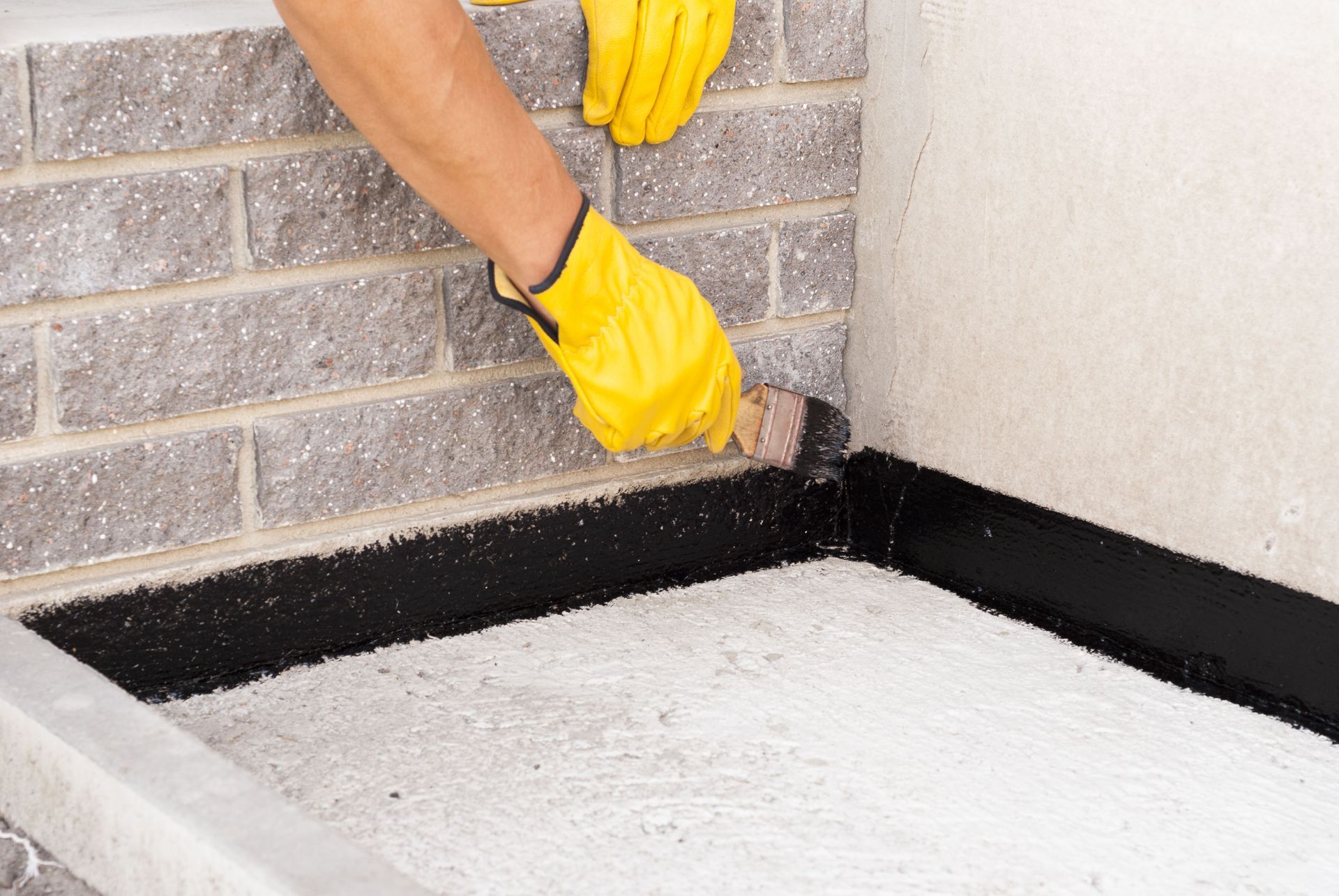
Contemporary solutions include the installation of high-capacity French drains, surface grading using laser topography to ensure water flows away from the house, and the application of modern vapor barriers and waterproof membranes. By redirecting water away from the perimeter of the building and ensuring downspouts discharge at a safe distance, these systems ensure that the soil remains at a consistent, predictable moisture level. This prevents the destructive cycle of shrinking and swelling that leads to instability.
The evolution of structural engineering and material science has provided us with a toolkit that is more effective, more durable, and far less invasive than anything available in previous generations. From the deep-reaching security of custom-engineered steel piers to the high-tech precision of polyurethane foam and carbon fiber, these modern techniques ensure that a compromised building can be restored to its original glory without destroying the surrounding property. While the soil beneath our feet will always be subject to the whims of nature and the changing climate, our ability to counteract those forces has reached unprecedented heights of reliability. For a professional evaluation and industry-leading solutions tailored to your property’s unique geological needs, reach out to J.B. Quality Foundation Repair.